

How to Clean High-End Pet Accessories
Table of Contents
- Why Proper Cleaning Matters for High-End Pet Accessories
- How to Clean Leather Dog Collars
- How to Clean Dog Harnesses
- How to Wash Dog Leashes
- How to Wash Designer Dog Clothes
- Drying and Storage for Long-Term Care
- Pet-Safe Cleaning Products and Disinfection
- Common Mistakes to Avoid
- Frequently Asked Questions
Last Updated: October 13, 2026
Why Proper Cleaning Matters for High-End Pet Accessories
High-end pet accessories are investments, costing more because of better materials, craftsmanship, and design.
The right cleaning method depends on the material. Leather, nylon, microfiber, canvas, and printed designer dog clothes all need different care. This guide walks you through each type so you can keep your high-end pet accessories looking new.
How to Clean Leather Dog Collars
Leather dog collars are durable when cared for properly, but leather is skin and dries out without moisture and conditioning. Clean your leather collar every 4-6 weeks, or sooner if it gets visibly dirty.
Materials You'll Need
Gather these items before you start:
- Soft cloth or microfiber towel
- Warm water (not hot)
- Mild soap or leather-specific cleaner
- Basin or bowl
- Optional: leather conditioner designed for pet gear
Avoid dish soap (it strips natural oils) and hot water (it shrinks and cracks leather).
Step-by-Step Cleaning Process
Step 1: Check the care label (2 minutes)
Read the manufacturer tag first. Some premium collars have special finishes that need specific care.
Step 2: Prepare your cleaning solution (3 minutes)
Mix warm water with a few drops of mild soap, barely-soapy water, not a bubble bath.
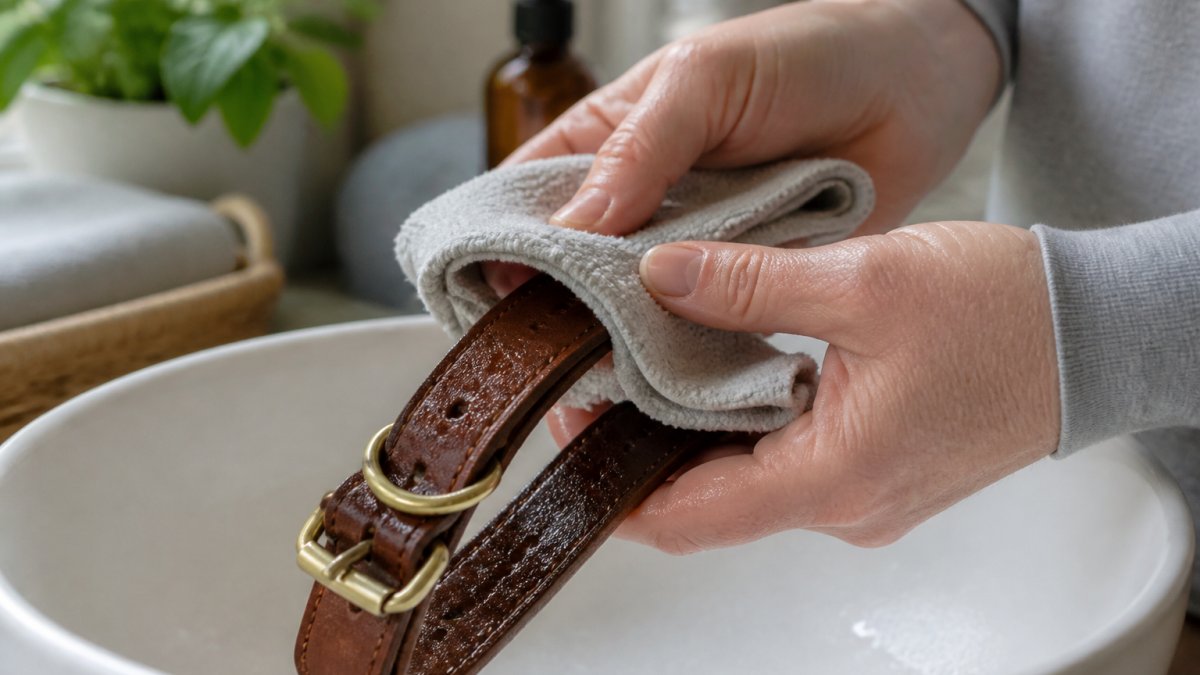
Step 3: Wipe down the collar (5 minutes)
Wring a soft cloth out of the soapy water so it's damp, not dripping.
Step 4: Dry it properly (varies)
Step 5: Condition the leather (5 minutes)
Once fully dry, work a small amount of leather conditioner in gently with a soft cloth to keep leather supple and prevent cracking.
Leather conditioner is worth the investment. A $10 bottle lasts months and adds years to your collar's life. Apply it every 8-12 weeks.
How to Clean Dog Harnesses
Dog harnesses come in multiple materials. The cleaning method changes based on what yours is made of.
Identifying Your Harness Material
Check your harness tag. Most premium harnesses use one of these:
- Nylon: Durable, washable, quick-drying. Most common in high-end designs.
- Fabric blend: Nylon mixed with cotton or polyester. Often used in designer pieces.
- Leather: Less common in harnesses but found in luxury brands.
- PVC or coated materials: Water-resistant, often used for outdoor harnesses.
The material determines whether you hand-wash or machine-wash.
Cleaning Nylon and Fabric Harnesses
Nylon harnesses are forgiving. They handle machine washing better than leather, but hand-washing extends their life.
Hand-washing (recommended for high-end pieces):
- Fill a basin with warm water and mild soap
- Submerge the harness and soak for 10 minutes
- Gently scrub with a soft brush, focusing on straps, buckles, grooves, and seams
- Rinse with clean water until no soap remains
- Squeeze out excess water (don't wring)
- Air-dry flat or draped on a towel
Machine-washing (faster but riskier):
Only machine-wash if the care label allows it. Use cold water, gentle cycle, and a mesh laundry bag. Skip the dryer, heat damages nylon and warps hardware.
Caring for Leather Harnesses
Leather harnesses need the same care as leather collars, but take extra time with hardware, wipe metal buckles and D-rings with a dry cloth to prevent rust.
How to Wash Dog Leashes
Dog leashes get dirty fast. They drag through mud, pick up saliva, and absorb odors from your pet.
Hand-Washing vs. Machine-Washing
Hand-washing works for all leash materials and is gentler overall:
- Fill a basin with warm water and mild soap
- Submerge the leash and agitate for 2-3 minutes
- Scrub the entire length with a soft brush, especially the handle
- Rinse with clean water
- Squeeze out excess water
- Hang to air-dry or lay flat on a towel
Machine-washing works for nylon leashes only:
Use a mesh laundry bag, cold water, and gentle cycle. Air-dry afterward. Never machine-wash leather leashes or leashes with printed designs.
Removing Stubborn Stains and Odors
Mud and dirt respond to gentle scrubbing with a soft brush. For odors, soak the leash in warm water and white vinegar (1 part vinegar to 4 parts water) for 15 minutes before washing, the vinegar smell fades as it dries.
For stubborn stains on light-colored leashes, let a paste of mild soap and water sit for 5 minutes before scrubbing. Avoid bleach, which damages fabric and irritates your pet's skin.
How to Wash Designer Dog Clothes
Designer dog clothes are fashion items, often with printed logos, embroidery, or special finishes that require careful handling.
Checking Care Labels and Manufacturer Instructions
Read the label, non-negotiable for designer pieces. Some garments are hand-wash only, some require cold water, some shouldn't be dried in sunlight. Ignoring manufacturer instructions voids any implied warranty and risks ruining the garment.
Protecting Printed Designs and Hardware
Printed logos fade with repeated washing, so turn the garment inside out before washing to reduce friction and fading.
Hardware like rhinestones, metal studs, or decorative buttons can snag or detach. Hand-wash these pieces gently, avoid scrubbing directly on decorated areas, and use a mesh laundry bag even for hand-washing to add protection.
Pet Bathrobe & Fast-Drying Towel | Microfiber Dog Bath Robe →
Drying and Storage for Long-Term Care
Drying and storage are where high-end accessories are won or lost, a collar cleaned perfectly and dried wrong will still crack, mold, or lose its finish. The rules below are material-specific because "air-dry everything" isn't enough for all materials.
Drying Rules by Material
-
Leather: Pat dry, then air-dry flat or draped over a towel in a cool, well-ventilated room. Never hang leather by a buckle (the weight stretches the strap) or use heat or direct sun (it dries fibers and causes cracking). Expect 24 hours, then condition.
-
Nylon and fabric blends: Air-dry flat or hang; these dry in a few hours. Avoid the dryer, heat warps hardware and shrinks webbing.
-
Coated and PVC materials: Wipe dry with a towel and air-dry. Don't stack while damp, coated surfaces stick to each other.
Storage That Protects the Finish
Once fully dry, storage is about moisture control, light control, and shape retention.
-
Cool, dark, dry. A closet or drawer works; damp basements and humid garages encourage mold, especially on leather and fabric.
-
Hang or lay flat. Leashes and long straps store best hung on a smooth hook or loosely coiled; collars and harnesses laid flat or hung by the D-ring, not folded tightly, which creases leather and webbing.
-
Rotate, don't hoard. Check stored leather pieces every few months, wipe them down, and re-condition if they feel dry.
A Quick Aftercare Rhythm
- After every use: Wipe down hardware and visible dirt with a dry or slightly damp cloth.
- Every 4-6 weeks: Clean leather and frequently used fabric pieces.
- Every 8-12 weeks: Condition leather.
- Seasonally: Inspect stitching, glued seams, and hardware for looseness or corrosion.
Pet-Safe Cleaning Products and Disinfection
Most guides treat "cleaning" and "disinfecting" as the same task. They aren't, and for high-end accessories the difference matters, harsh disinfectants can dull finishes, dry out leather, and leave residue against your pet's skin.
Routine cleaning removes visible soil, oils, and odor-causing grime; disinfection reduces pathogens. You don't need to disinfect a collar weekly, routine cleaning handles most day-to-day mess.
How to Choose a Pet-Safe Cleaner
Read the label for three things:
- Surfactants, not solvents. Mild surfactants lift dirt without stripping leather oils or breaking down coated fabrics. Solvent-heavy degreasers can soften printed designs and dull polished hardware.
- No lingering fragrance. Heavy perfumes irritate pets who wear the accessory against skin or chew on it, fragrance-free or lightly scented is safer.
- Rinses clean. A filmy residue is a poor choice for anything a pet mouths. If the label says "no rinse required," verify it's formulated for pet-contact surfaces.
A few drops of mild, fragrance-free dish soap in warm water remains the workhorse for most washable materials.
Cleaning vs. Disinfecting: What to Use When
| Situation | Action |
|---|---|
| Everyday dirt, drool, outdoor grime | Routine clean with mild soap and warm water |
| Odor after a muddy walk or swim | Routine clean, then air-dry fully in a ventilated space |
| After contact with a sick animal | Clean first, then disinfect with a pet-safe product |
| After vomiting or diarrhea | Clean thoroughly, disinfect, rinse, and dry completely |
| Shared accessory between pets | Clean and disinfect between uses |
Diluted white vinegar (roughly 1 part vinegar to 4 parts water) handles odor-causing bacteria on washable fabrics, but it's no substitute for a veterinary-grade disinfectant after illness.
Rinsing and Residue Removal
Residue is the most overlooked risk, soap left in stitching or padding can irritate skin, attract dirt, and stiffen fabric.
- Rinse with clean water until it runs clear and no suds appear when you squeeze the material.
- For padded or layered items, rinse twice, soap hides in inner layers.
- For leather, wipe with a clean damp cloth rather than rinsing under a tap, then dry and condition.
- For hardware, wipe with a dry cloth after rinsing to prevent water spots and rust.
What to Avoid
- Bleach and chlorine cleaners, damage fabrics, corrode hardware, and are toxic if ingested.
- Antibacterial soaps with strong fragrance, leave residue and irritate skin.
- Alcohol-based sanitizers, dry out leather and cloud coated finishes.
- Anything labeled "toxic if ingested", a non-starter for items a pet chews or licks.
When in doubt, use the gentlest product that does the job, rinse thoroughly, and dry completely, protecting both your pet and the finish on your clean high-end pet accessories.
Common Mistakes to Avoid
Mistake 1: Using hot water
Hot water shrinks leather and damages synthetics.
Mistake 2: Machine-washing everything
Some high-end pieces aren't designed for machine washing.
Mistake 3: Skipping the rinse
Soap residue irritates your pet's skin and stiffens materials.
Mistake 4: Drying near heat
Direct sunlight, radiators, and hair dryers damage materials.
Mistake 5: Storing wet or damp
Damp accessories develop mold and odors. Always dry completely before storing.
Mistake 6: Aggressive scrubbing on delicate areas
Gentle cleaning works.
Mistake 7: Ignoring care labels
Manufacturer instructions exist for a reason. They're based on material testing.
Two Doodle Nerds carries a curated selection of premium pet supplies designed to last, blending functionality with style so your home stays beautiful while your pet stays comfortable. Explore our Pet Bathrobe & Fast-Drying Towel for post-bath care, or browse our full collection to find the perfect pieces for your doodle.

Frequently Asked Questions
Can I use a washing machine to clean high-end pet accessories?
Machine-washing is safe for some nylon and fabric items like leashes and certain harnesses, but always check the manufacturer's care instructions first. Delicate materials like leather, items with printed designs, or accessories with hardware should be hand-washed only. Use a gentle cycle with cool water if machine-washing is appropriate, and skip the dryer entirely, air-drying protects the integrity of high-end materials.
What's the best way to clean leather dog collars without damaging them?
Start by wiping accessories with a damp cloth to remove surface dirt and mud. For deeper cleaning, use a mild soap solution with warm water and a soft cloth, gently working around grooves and seams with a soft-bristled brush. Rinse thoroughly with clean water and pat dry immediately. Never soak materials or use aggressive scrubbing, as this can damage or fade the material. Store in a cool, dry place away from direct heat.
How often should I clean my pet's high-end accessories?
Routine maintenance depends on your pet's activity level and environment. Collars and harnesses exposed to mud, dirt, or moisture should be cleaned weekly or after outdoor adventures. Leashes used daily benefit from monthly cleaning. Designer clothes worn regularly should be cleaned after 3-4 wears or when visibly soiled. Establish a regular schedule to prevent buildup of dirt and odors while protecting premium materials from long-term damage.
Are there pet-safe cleaning products I should use for my accessories?
Yes, use mild dish soap, white vinegar solutions, or pet-safe enzymatic cleaners to avoid chemical residues your pet might ingest. Avoid harsh antibacterial soaps, bleach, and products with strong fragrances. Always rinse thoroughly after cleaning to remove all soap or cleaning solution residue before your pet uses the accessory again.