

Enhance Your Home Environment: 7 Steps to Better Furnishings
Table of Contents
- Step 1: Start With a Calming Color Scheme
- Step 2: Invest in Quality, Timeless Furniture
- Step 3: How to Make Your Home More Relaxing With Soft Textiles
- Step 4: Layer Textures and Patterns Thoughtfully
- Step 5: Home Furniture Upgrades That Improve Comfort and Function
- Step 6: Living Room Furniture Arrangement Tips for Better Flow
- Step 7: Choosing Pet-Friendly Home Furnishings That Last
- Final Touches: Lighting, Rugs, and Decluttering to Enhance Your Home Environment
- Frequently Asked Questions
Last Updated: October 12, 2026
Step 1: Start With a Calming Color Scheme
Color sets the mood for every room and is fundamental to how you enhance home environment. Soft grays, warm beiges, and muted whites create a calming backdrop that lets your décor shine.
A cohesive scheme doesn't mean everything matches. Choose 2-3 main colors and repeat them throughout for harmony without monotony.
Pro tips for color selection:
- Test paint samples on your walls before committing
- Consider how natural light changes your colors throughout the day
- Use accent colors sparingly, a single wall or small area is enough
When you enhance your home environment with the right palette, every other choice becomes easier, furniture, textiles, and accessories coordinate naturally.
Step 2: Invest in Quality, Timeless Furniture
Cheap furniture wobbles and falls apart; quality pieces last years and improve daily comfort. Focus on foundational pieces first: a solid sofa, sturdy dining table, and well-made bed frame anchor your room.
What makes furniture "quality":
- Solid wood frames (not particle board)
- Proper joinery and construction
- Natural fabrics that breathe
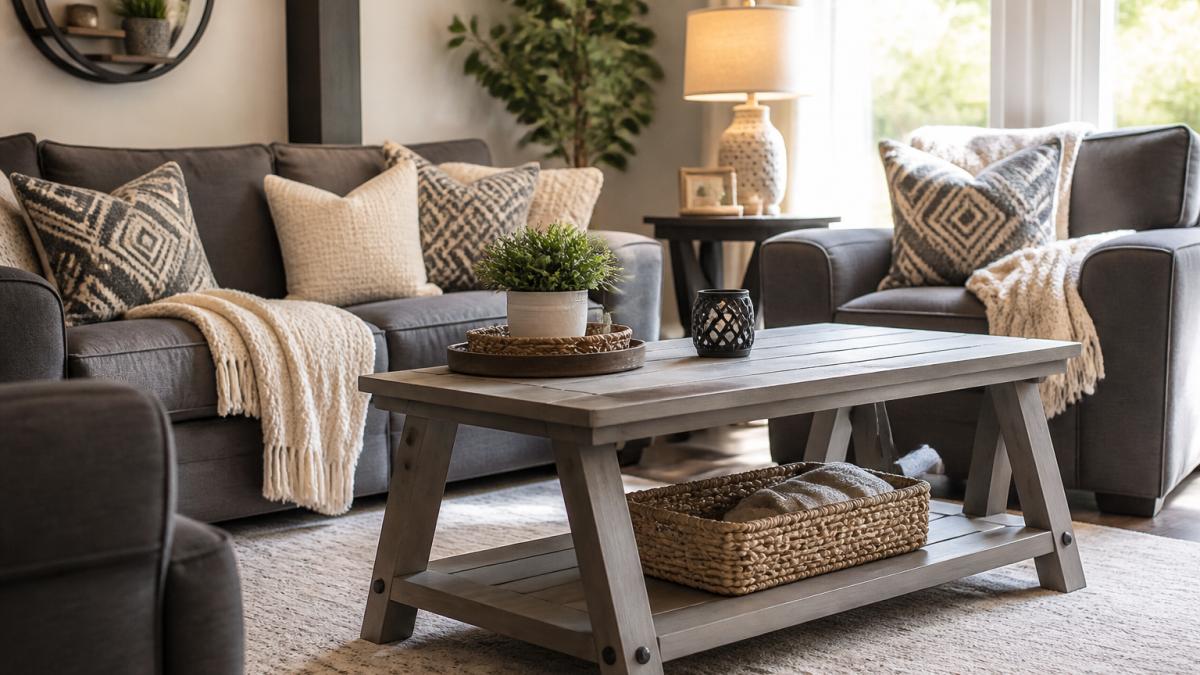
The Modern Gray Ladder-Shaped Coffee Table from Two Doodle Nerds is a perfect example of timeless design. Its neutral gray finish and ladder silhouette work in contemporary or traditional spaces.
Step 3: How to Make Your Home More Relaxing With Soft Textiles
Soft textures transform a room from cold to inviting. Throw blankets, pillows, and area rugs add warmth instantly. Cotton and linen are breathable, durable, and age beautifully; wool adds insulation. Avoid synthetics that trap heat and feel plasticky.
Textile essentials for relaxation:
- Throw blankets in natural fibers
- Multiple pillow sizes and textures
- Area rugs that define seating zones
The Geometric Pillowcase Design from Two Doodle Nerds brings style and comfort. Made from high-quality blended material, it measures 50x50cm and fits sofas, beds, or chairs.

Step 4: Layer Textures and Patterns Thoughtfully
Mixing textures prevents a room from feeling flat. Smooth leather, woven fabric, rough wood, and soft yarn work together when balanced. Start with a dominant texture: if your sofa is smooth, add a woven throw; if walls are plain, introduce textured wallpaper or a patterned pillow.
Texture combinations that work:
- Smooth leather + woven pillows + wood table
- Soft blankets + patterned rug + plain walls
- Rough wood beams + smooth drywall + linen curtains
The key is contrast without conflict: when textures and patterns complement each other, the eye travels smoothly.
Step 5: Home Furniture Upgrades That Improve Comfort and Function
The best furniture looks good and actually works. A beautiful chair that's uncomfortable sits empty; a functional table that clashes with your décor gets ignored.
Functional furniture upgrades to consider:
- Ottomans that double as storage
- Side tables with drawers
- Shelving units that organize and display
The Piano Key Wall Coat Rack from Two Doodle Nerds is a smart example of functional décor.

Step 6: Living Room Furniture Arrangement Tips for Better Flow
How you arrange furniture matters as much as what you choose. Poor arrangement makes rooms feel cramped; smart placement creates conversation zones and clear sightlines. The real difference comes from measuring before you move anything.
Start With Measurements, Not Inspiration Photos
Before rearranging, measure the room and sketch it on graph paper or in a free floor-plan tool, marking doors, windows, radiators, vents, and outlets. Then measure every major piece you plan to keep. This five-minute step prevents the most common mistake: furniture that looks right in a photo but blocks a doorway or crowds a walkway.
Clearance rules most designers use:
- Main walkways: 36-48 inches of clear width for primary paths (hallways into the room, routes to other rooms).
- Secondary paths: 24-36 inches between furniture where people pass occasionally.
- Coffee table to sofa: 14-18 inches, close enough to reach a drink, far enough to stand up comfortably.
Anchor the Room Around a Focal Point
Identify the room's natural focal point, a fireplace, large window, built-in, or TV wall, and arrange seating to face or complement it. With two focal points, angle seating so both are partially visible.
Use Rugs to Define Zones and Set Scale
An area rug defines the "room within the room," even in an open floor plan. Size matters more than pattern:
- Living room: the rug should be large enough that at least the front legs of every major piece sit on it. A common minimum for a standard sofa-and-two-chairs grouping is 8x10 feet; larger rooms often need 9x12.
- Dining room: the rug should extend 24 inches beyond every edge of the table so chairs stay on the rug when pulled out.
- Bedroom: a rug placed two-thirds of the way down the bed, extending 18-24 inches on each side, frames the bed without swallowing the room.
Group Seating for Conversation, Not Symmetry
Perfect symmetry looks good in magazines but feels stiff in real rooms. An L- or U-shaped grouping where seats face each other within 8-10 feet works best; beyond 10 feet, conversation becomes effortful.
Arrangement principles that hold up:
- Pull seating slightly off the walls, even 6-10 inches makes a room feel intentional rather than pushed aside.
- Float a sofa perpendicular to the wall to divide an open-plan space into a seating zone and a dining or work zone.
- Pair a sofa with two chairs rather than a matching loveseat; the varied shapes read as more collected and less showroom.
Small Rooms and Awkward Layouts
For narrow living rooms, a sofa against the long wall with two angled chairs beats facing sofas. For square rooms, a centered rug with seating on three sides creates a conversation pit. For long, open-plan spaces, use two rugs and two seating groups.
When the layout works, everything else, color, textiles, lighting, has room to breathe. Get the bones right and the room feels calm before you add a single pillow.
Piano Key Wall Coat Rack | Wooden Entryway Hook Rack →
Step 7: Choosing Pet-Friendly Home Furnishings That Last
If you share your home with pets, furniture choices shift, you need pieces that survive claws, accidents, and constant activity. But pet-friendly is only one household need; homes with young children, renters, and multi-generational households face overlapping constraints. This section covers the practical trade-offs.
Match the Material to the Household
No single fabric wins for every home. The right choice depends on who lives there and how the room is used.
Performance fabrics (polyester blends, solution-dyed acrylics, olefin):
- Resist stains, fading, and moisture; many are cleanable with water and mild soap.
- Best for homes with pets, kids, or heavy daily use.
- Trade-off: some feel less breathable than natural fibers and can pill over time.
Leather and faux leather:
- Wipe clean easily; pet hair brushes off rather than weaving in.
- Best for households with shedding dogs or frequent spills.
- Trade-off: claws can scratch, and leather feels cold in winter without a throw.
Tight-weave natural fabrics (linen blends, cotton canvas, wool):
- Breathe well, age gracefully, and feel good against skin.
- Best for low-shedding pets and adults-only rooms.
- Trade-off: wool can snag; loose weaves trap hair and are harder to clean.
Materials to avoid in pet- and kid-heavy rooms:
- Silk, velvet, and loose bouclé (snag magnets)
- Light-colored chenille (shows every paw print)
- Particle-board frames with thin veneers (swell and chip when wet)
Prioritize What You Can Clean and Repair
Durability is not just about the outer fabric. Look for:
- Removable, machine-washable covers on sofa cushions and dining chair seats.
- Solid wood or metal frames rather than particle board, which swells if a pet accident soaks in.
- Replaceable legs, feet, and cushions, small parts fail first, and being able to swap them extends the piece by years.
Long-lasting pet-friendly sofas typically combine a hardwood frame, sinuous or eight-way hand-tied springs, and a zip-off performance-fabric cover. That costs more upfront but outlasts two or three cheaper replacements.
Household-Specific Adjustments
Homes with young children:
- Round or beveled edges on coffee tables and side tables reduce bumps.
- Washable rugs (cotton flatweaves or indoor-outdoor styles) handle spills and crafts.
- Anchor tall bookcases and dressers to the wall, a standard safety step in homes with toddlers.
Homes with pets:
- Raise furniture on legs at least 4-6 inches so a vacuum or robot cleaner can pass underneath.
- Choose darker or mid-tone colors that hide hair between cleanings.
- Keep a washable throw on the pet's favorite seat, it is easier to launder a blanket than a sofa cushion.
Shared and multi-generational households:
- Prioritize seating that is easy to get in and out of: seat height around 18-19 inches, firm cushions, and armrests for support.
- Avoid deep, low sofas that are hard to rise from.
- Add a sturdy side table within arm's reach of every seat for drinks, glasses, and remotes.
Renters:
- Freestanding pieces (bookcases, consoles, freestanding wardrobes) travel to the next home; built-ins do not.
- Removable wallpaper, tension rods, and plug-in wall sconces add character without permanent changes.
Maintenance That Extends Furniture Life
Furnishings last longer when care matches the material:
- Upholstery: vacuum weekly with a brush attachment; rotate and flip cushions monthly so wear is even.
- Leather: wipe with a dry cloth weekly; condition two to four times a year to prevent cracking.
- Wood: dust with a slightly damp cloth; avoid silicone polishes that build up. Re-oil or wax annually if the finish is oil-based.
At Two Doodle Nerds, we understand that pet owners, and parents, renters, and shared households, want to enhance home environment while maintaining beauty and durability. Our curated furnishings balance style with practicality, and we choose pieces that enhance your home environment while holding up to real life.
Final Touches: Lighting, Rugs, and Decluttering to Enhance Your Home Environment
Lighting transforms a room's entire feel. Bright overhead lights feel harsh and institutional.
The Rechargeable Bedroom Bedside Wall Lamp from Two Doodle Nerds offers modern convenience.

Lighting strategy:
- Layer ambient, task, and accent lighting
- Use warm-toned bulbs (2700K color temperature)
- Install dimmers for flexibility
Area rugs define spaces, add comfort underfoot, and absorb sound so rooms feel less echoey.
Decluttering matters more than most people admit.
| Design Element | Impact | Priority |
|---|---|---|
| Color scheme | Sets mood and foundation | High |
| Quality furniture | Durability and comfort | High |
| Soft textiles | Warmth and relaxation | High |
| Layered lighting | Atmosphere and function | Medium |
| Area rugs | Definition and comfort | Medium |
| Decluttering | Visual clarity | High |
| Pet-friendly materials | Longevity with pets | Medium |
Start with the essentials: color, furniture, and textiles. Add lighting and rugs next.
Creating a home that feels both beautiful and livable takes intention.
Frequently Asked Questions
How can I enhance my home environment without replacing all my furniture?
Start small: add soft textiles like throw blankets and pillows, introduce a quality area rug to ground your seating, and improve lighting with a bedside wall lamp or floor lamp. Rearrange existing furniture to improve flow, declutter to create visual calm, and add a few decorative accessories like wall art or plants. These changes refresh a room dramatically without major investment.
What furniture upgrades make the biggest difference in a home's comfort?
Quality seating, a supportive sofa or chair, is the foundation. Add a functional coffee table for practicality and visual interest, like a modern ladder-shaped design that offers display space. Upgrade textiles with breathable cotton or linen cushions and pillows. A coat rack or storage piece reduces visual clutter while serving daily needs. These upgrades enhance both comfort and the overall sophistication of your space.
How do I choose pet-friendly home furnishings that won't look out of place?
Select durable, neutral-colored pieces that complement your existing décor. Look for quality materials that resist wear and shedding, solid wood and high-quality blended fabrics work well. A geometric pillowcase in classic colors adds style while hiding minor marks. Prioritize pieces with clean lines and timeless designs so pet-themed items feel intentional, not an afterthought. This approach keeps your home beautiful while protecting against pet wear.
What is the best way to arrange furniture for comfort and visual flow?
Create a focal point, usually a sofa or entertainment area, and arrange seating to face it. Leave clear pathways between furniture pieces so movement feels natural. Position a side table within arm's reach of seating for practicality. Use an area rug to anchor the arrangement and define the space. Maintain balance by spacing furniture evenly and avoiding one side from feeling crowded. This arrangement improves both comfort and the room's visual appeal.