

Durable Dog Beds for Heavy Chewers: 2026 Guide
Table of Contents
- Why Durable Dog Beds Matter for Heavy Chewers
- Dog Bed Materials for Chewers: What Actually Resists Damage
- Best Dog Bed for Aggressive Chewers: What to Look For
- Elevated Dog Beds for Chewers: A Smarter Alternative
- Comparing Options: Cushions, Cots, and Enclosed Beds
- How to Stop a Dog From Chewing Its Bed: Beyond Product Selection
- Washable Covers and Long-Term Durability
- Safety Considerations: What Happens When Dogs Swallow Bed Materials
- Frequently Asked Questions
Last Updated: October 5, 2026
Why Durable Dog Beds Matter for Heavy Chewers
Heavy chewers destroy ordinary dog beds within days, leaving shredded fabric your dog might swallow, a safety issue, not just an expense, which is why durable dog beds for heavy chewers are essential.

Durable dog beds for heavy chewers protect your investment and your dog: they eliminate the risk of ingesting fabric, foam, or stitching that could cause intestinal blockages, and save you from constant replacements.
This guide breaks down the materials, construction, and design that make a bed truly chew-resistant.
Dog Bed Materials for Chewers: What Actually Resists Damage
The fabric determines whether a bed lasts months or minutes.
Reinforced Fabrics That Survive Aggressive Chewing
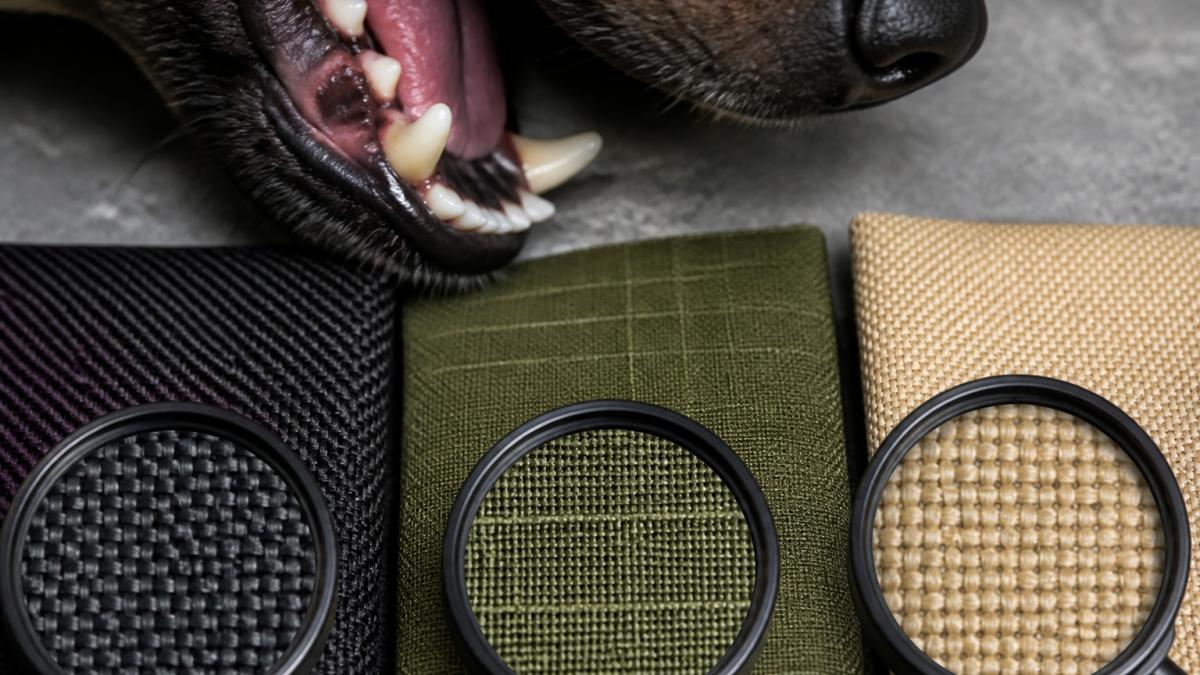
Ballistic nylon and Cordura are the gold standards for heavy chewers. These military-grade fabrics resist punctures and tears far better than standard polyester, and their fibers hold together instead of unraveling.
Ripstop polyester suits moderate to heavy chewers because its crosshatch weave stops tears from spreading.
Construction Details That Make a Real Difference
Tight stitching matters more than people think. Loose seams are the first place a determined chewer attacks. Industrial-grade double or triple stitching with reinforced corners prevents unraveling at stress points.
The underside matters too: PVC or waterproof backing protects against moisture and prevents stuffing from being pulled through weak spots, while reinforced corners stop dogs from working edges loose.
Best Dog Bed for Aggressive Chewers: What to Look For
What separates a bed that survives six months from one that survives six days comes down to how it was built, how it was tested, and whether it matches your dog's chewing style.
How We Evaluate Durability (and How You Can Too)
No pet bed is truly indestructible; any brand claiming otherwise is marketing, not engineering. Evaluate how a bed holds up under a heavy chewer's stresses:
- Seam stress test: Pull a corner seam firmly in opposite directions. If stitches gap or fabric puckers, that's where your dog will attack; double or triple rows should hold without distortion.
- Fabric puncture resistance: Press a fingernail or key into the fabric. Ballistic nylon and Cordura resist penetration; polyester and microfiber deform immediately.
- Zipper integrity: Look for covered or recessed zippers behind a fabric flap so teeth can't reach them.
Match the Bed to Your Dog's Chewing Style
Not all heavy chewers chew the same way.
Persistent fabric chewers work the same spot for hours until a seam or edge fails.
Corner and edge chewers focus on the perimeter where fabric meets frame or floor.
Diggers paw and nose at the surface until stitching loosens and fill shifts.
Unsupervised-only chewers are the trickiest. Destruction only when you're gone points to anxiety or boredom, not fabric.
Size and Weight Guidance That Actually Matters
A bed rated for your dog's weight isn't automatically the right size. Two rules matter:
- Weight capacity should exceed your dog's weight by at least 20 pounds. A 60-pound chewer on a 60-pound bed is already at the limit before chewing stress, and frame, foam, and stitching degrade faster at capacity.
- Length should let your dog stretch out fully. Measure nose-to-tail while sleeping and add 6-12 inches, or your dog will paw and chew the edges trying to rearrange them.
For dogs over 60 pounds with heavy chewing habits, elevated cots with steel frames outperform cushion beds because the frame carries the load. For dogs under 30 pounds with moderate habits, a reinforced cushion with a removable cover is the better value.
The Features Worth Prioritizing (in Order)
- Reinforced fabric, ballistic nylon or Cordura over polyester or microfiber
- Multi-row industrial stitching at every seam and corner
- No exposed zippers, covered or recessed only
- Waterproof or water-resistant backing
- Removable, replaceable cover
- Weight capacity 20+ pounds above your dog's weight
- Non-toxic, pet-safe materials throughout, including the fill
What to Skip
Beds with loose trim, dangling tags, exposed zipper pulls, or plush outer fabrics are chew magnets, as are beds with soft, overstuffed fill that compresses and gives teeth easy access to the interior. If a bed looks like a giant plush toy, it won't survive a heavy chewer.
Elevated Dog Beds for Chewers: A Smarter Alternative
Elevated dog beds lift your dog off the ground, eliminating access to the floor-level seams and edges chewers target and making it harder to pull stuffing or fabric loose.
The Elevated Dog Bed | Raised Outdoor Pet Cot for Medium Dogs from Two Doodle Nerds features a stainless steel frame with a soft plush surface and promotes joint and spine support.
Comparing Options: Cushions, Cots, and Enclosed Beds
Price tags tell you what a bed costs today, not over three years. For heavy chewers, the real comparison is total cost of ownership: purchase price plus replacement covers, replacement beds, and cleanup time. Here's how the three main styles stack up.
Cushion-Style Beds: Best for Moderate Chewers
Cushion beds are the most affordable entry point and work for dogs that chew occasionally. The Customizable Multifunctional Folding Pet Cushion at $44.99 offers a soft, supportive surface with PP cotton filling that holds its shape, and the imitation deer skin velvet fabric wipes clean with a damp cloth, but it won't survive aggressive chewing.

Realistic lifespan: 6-12 months for a moderate chewer, weeks for a determined one.
Repairability: Low. Most cushion beds don't sell replacement covers, so once the fabric fails the whole bed is done.
Elevated Dog Bed | Raised Outdoor Pet Cot for Medium Dogs →
Best for: Dogs under 30 pounds with mild chewing habits, or as a supervised secondary bed. It comes in sizes S through XL and 11 colors.
Elevated Cots: Best for Heavy Chewers
Elevated cots cost more than cushions but last longer for heavy chewers. The stainless steel frame of the Elevated Dog Bed | Raised Outdoor Pet Cot for Medium Dogs at $54.99 is built for years of daily use, works indoors and outdoors, and its minimalist blue and white grid blends into most décor.
Realistic lifespan: 2-3 years for the frame; the fabric surface typically lasts 12-24 months under a heavy chewer.
Repairability: High. Replacement cot fabrics are usually sold separately, so your long-term cost is one frame plus occasional fabric swaps, not a new bed every year.
Best for: Dogs 30-60 pounds with moderate to heavy chewing. The elevated design eliminates the floor-level seams corner chewers target, so it outperforms cushions for persistent chewers.
Enclosed Beds: Best for Anxious Chewers
Enclosed beds like the Pet Dog and Cat Bed Villa - Dual Use Space Capsule at $49.99 provide security that reduces destructive chewing.
Realistic lifespan: 1-2 years for a calm, anxious chewer; much shorter for other chewers.
Repairability: Moderate. The cover is often removable, but the enclosed shape and velvet are harder to reinforce than flat cot fabric.
Best for: Anxious chewers and smaller breeds.
Total Cost of Ownership: A Three-Year View
Here's the comparison most guides skip. Over three years, with a heavy chewer:
| Bed Type | Upfront | Likely Replacements in 3 Years | Estimated 3-Year Cost | Notes |
|---|---|---|---|---|
| Cushion-Style | $44.99 | 3-6 beds | $135-$270 | No replacement covers; full bed each time |
| Elevated Cot | $54.99 | 1-2 fabric surfaces | $75-$110 | Frame survives; only fabric is replaced |
| Enclosed Bed | $49.99 | 1-2 beds | $50-$150 | Depends heavily on chewing cause |
These are estimates based on typical wear patterns, not guarantees. Your dog's chewing intensity, supervision, and training will shift these numbers, but the pattern holds: the cheapest bed upfront is rarely the cheapest over time for a heavy chewer.
Warranty, Returns, and Replacement Covers
Before buying any bed for a heavy chewer, check three things:
- Warranty terms. Many manufacturers exclude chewing damage, so don't count on a warranty to cover the most likely failure mode. Read the fine print.
- Return window. A generous window lets you test the bed with your dog before committing.
- Replacement cover availability. This is the biggest factor in long-term cost. A $20-$30 replacement cover that's always in stock costs far less over three years than replacing the whole bed.
Matching Bed Style to Chewing Style
- Persistent fabric chewers: Elevated cot with tensioned fabric and no floor-level seams.
- Corner and edge chewers: Cot or enclosed bed that eliminates exposed corners.
- Diggers: Firm, tightly stuffed cushion or taut cot surface; avoid loose, overstuffed beds.
How to Stop a Dog From Chewing Its Bed: Beyond Product Selection
The right bed helps, but it's only part of the solution. Dogs chew beds out of boredom, anxiety, teething, or because they enjoy the texture, so addressing the cause reduces the behavior.
Provide appropriate chew toys: durable rubber, nylon chews, and rope toys give your dog an outlet, and rotating them weekly maintains interest. Exercise matters too, since heavy chewers often need 60-90 minutes of daily activity, not just a walk around the block.
Washable Covers and Long-Term Durability
A removable, washable cover extends the life of any bed dramatically: if your dog damages the cover, you replace just that layer instead of the entire bed.
The Breathable Dog Bed for Autumn and Winter Use at $131.69 is crafted from high-quality cloth designed to withstand playful energy.

When you invest in a quality bed with a removable cover, you're buying years of use, not months.
Safety Considerations: What Happens When Dogs Swallow Bed Materials
Swallowing bed materials, fabric scraps, foam chunks, or stitching creates real health risks.
Intestinal blockages from ingested bedding require emergency surgery costing $2,000-$5,000 and carrying surgical risks. Foreign body ingestion can also perforate the intestinal wall, causing peritonitis, which is even more serious (pubmed.ncbi.nlm.nih.gov).
Cheap beds with loose stitching or low-quality stuffing increase this risk; non-toxic fabric isn't safe to swallow in quantity.
Finding the right durable dog bed for heavy chewers means balancing durability, safety, and comfort. Two Doodle Nerds offers curated options that combine durability with thoughtful design, from the elevated cot that works indoors and outdoors to enclosed beds that provide security for anxious chewers.
Frequently Asked Questions
What materials are most resistant to chewing in durable dog beds?
Ballistic nylon, ripstop polyester, Cordura, and reinforced canvas are the top performers for chew-resistant dog beds. These fabrics have tight weaves that resist tearing and puncturing. Ballistic nylon, originally used in military gear, offers exceptional durability. Ripstop polyester features a grid pattern that prevents tears from spreading. Cordura is engineered specifically for heavy-duty use. Reinforced stitching and thickened polyester layers add extra protection against aggressive chewing behavior.
Are elevated dog beds harder for dogs to chew?
Yes, elevated dog beds present fewer chewing opportunities than traditional cushion-style beds. The stainless steel or metal frames are impossible to chew, and the suspended fabric surface offers minimal stuffing or inner fibers to destroy. Elevated cots also reduce contact with ground moisture and debris, which can make the bed less appealing to chew on. For heavy chewers, an elevated design removes many of the temptations that trigger destructive behavior.
Can I wash dog bed covers to extend durability?
Removable, machine-washable covers significantly extend a bed's lifespan by allowing you to clean away bacteria, odors, and debris that accumulate over time. Regular washing prevents the buildup that can weaken fabrics and encourage chewing. Check the product's care instructions before washing; many quality covers withstand frequent machine cycles without degrading. Drying on low heat prevents shrinkage and maintains fabric integrity. Keeping the bed clean also makes it less appealing as a chewing target.
What's the risk if my dog swallows bed stuffing or fabric?
Swallowed bed materials can cause intestinal blockages, a serious condition requiring veterinary surgery. Foam stuffing, fabric pieces, and fibrous filling pose the highest risk because they don't break down in the digestive system. Signs include vomiting, loss of appetite, lethargy, and abdominal pain. Elevated beds with minimal or no loose filling reduce this risk compared to cushion-style beds. Beds with tightly stitched seams and reinforced construction are less likely to shed material when chewed.